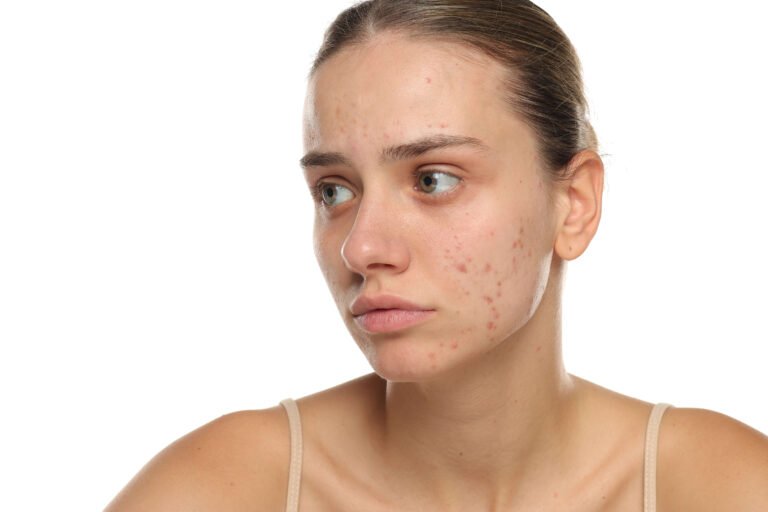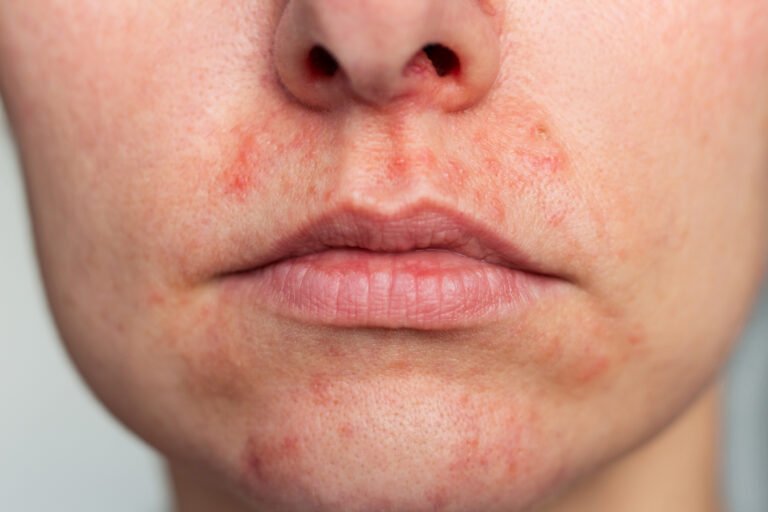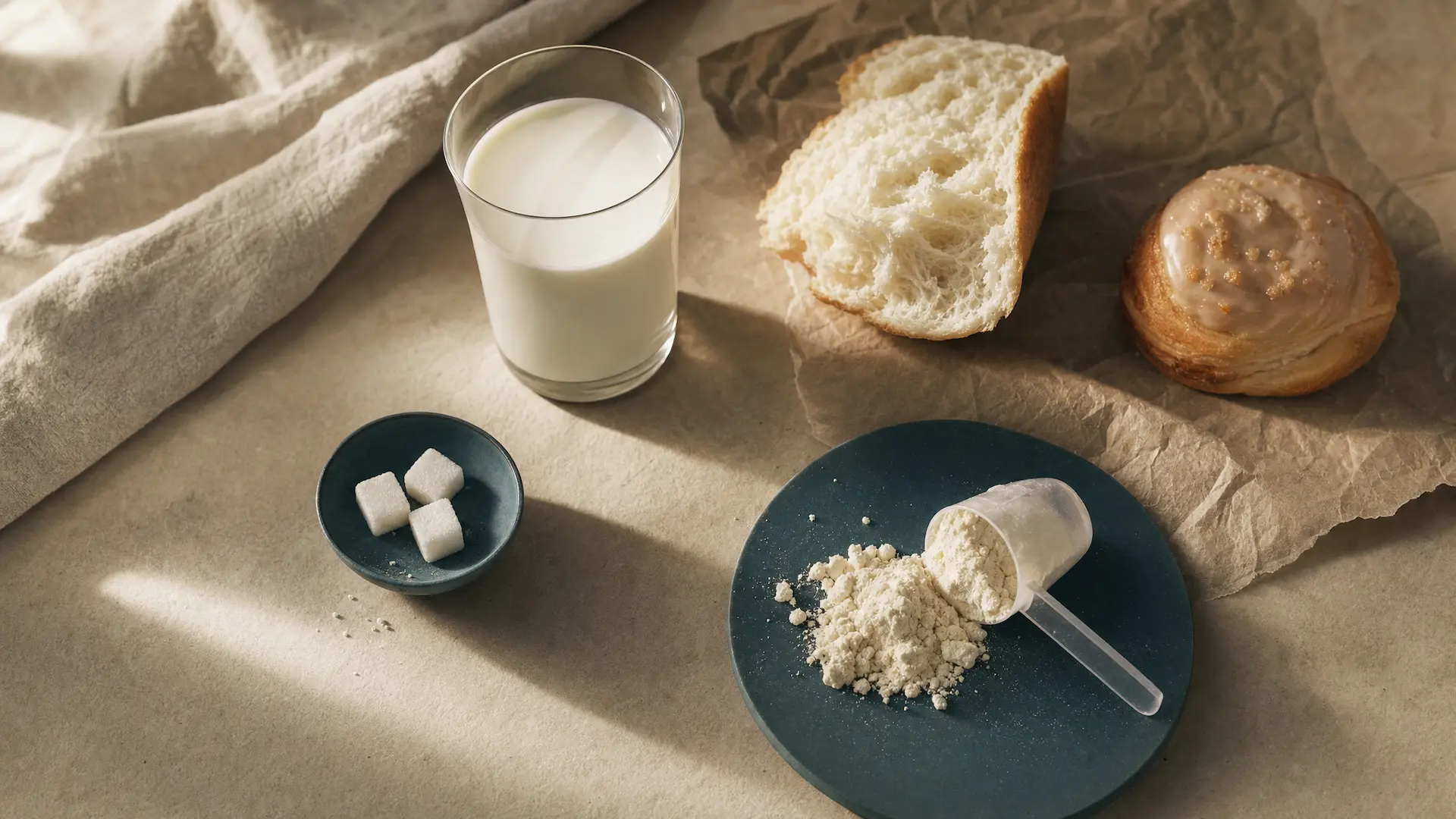
Which foods actually affect acne, and which ones have simply been blamed for it? The research now separates the two more clearly than most advice does.
The list of foods that cause acne has been rewritten many times over the last century, and almost everyone who has had acne has been handed a version of it. Does chocolate cause acne? Does milk? Does sugar? Do greasy foods make skin oilier — or is that simply something people repeat? For most of the last century dermatology answered these questions badly, first by blaming nearly every food and then by insisting that diet had nothing to do with skin at all. The research of the past twenty years supports a narrower and more useful position: a small number of dietary factors have reasonable evidence behind them, several popular culprits have none, and knowing which is which matters a great deal when you are deciding what to give up.
of people aged 12–24 experience acne — yet dietary triggers remain one of the least-discussed factors in routine consultations.
American Academy of Dermatology, 2024
How Does Food Actually Affect Acne?
Acne is fundamentally a disease of the sebaceous follicle — driven by excess sebum, abnormal skin cell turnover, bacterial colonisation, and inflammation. Diet influences at least two of these directly. The key molecular bridge is IGF-1 (insulin-like growth factor 1), stimulated by both high-glycemic foods and dairy. Elevated IGF-1 tells sebaceous glands to overproduce oil and accelerates the skin-cell buildup that clogs pores. You can read our detailed acne guide here.
Not everyone responds equally. Genetic predisposition, baseline hormone levels, and gut microbiome all modulate the effect — which is why your friend can drink three glasses of milk a day with no breakouts while it’s a consistent trigger for you. AAD clinical guidelines acknowledge this individual variability.
Not sure whether diet is actually driving your breakouts?
Join the WaitlistThe personalised report is being prepared — early access, no payment now.
Which Foods That Cause Acne Are Most Studied?
Evidence strength varies significantly across categories. Each card is labelled accordingly.
White bread, white rice, sugary drinks, pastries, cornflakes, and refined-flour products. These rapidly spike blood sugar and insulin levels.
Why it matters: Elevated insulin triggers IGF-1 — the key hormone driving sebum overproduction and the skin-cell buildup that blocks pores. The most robustly evidenced dietary acne trigger as demonstrated in a landmark clinical trial.
⚙ Insulin → IGF-1 → excess sebum + keratinocyte proliferation
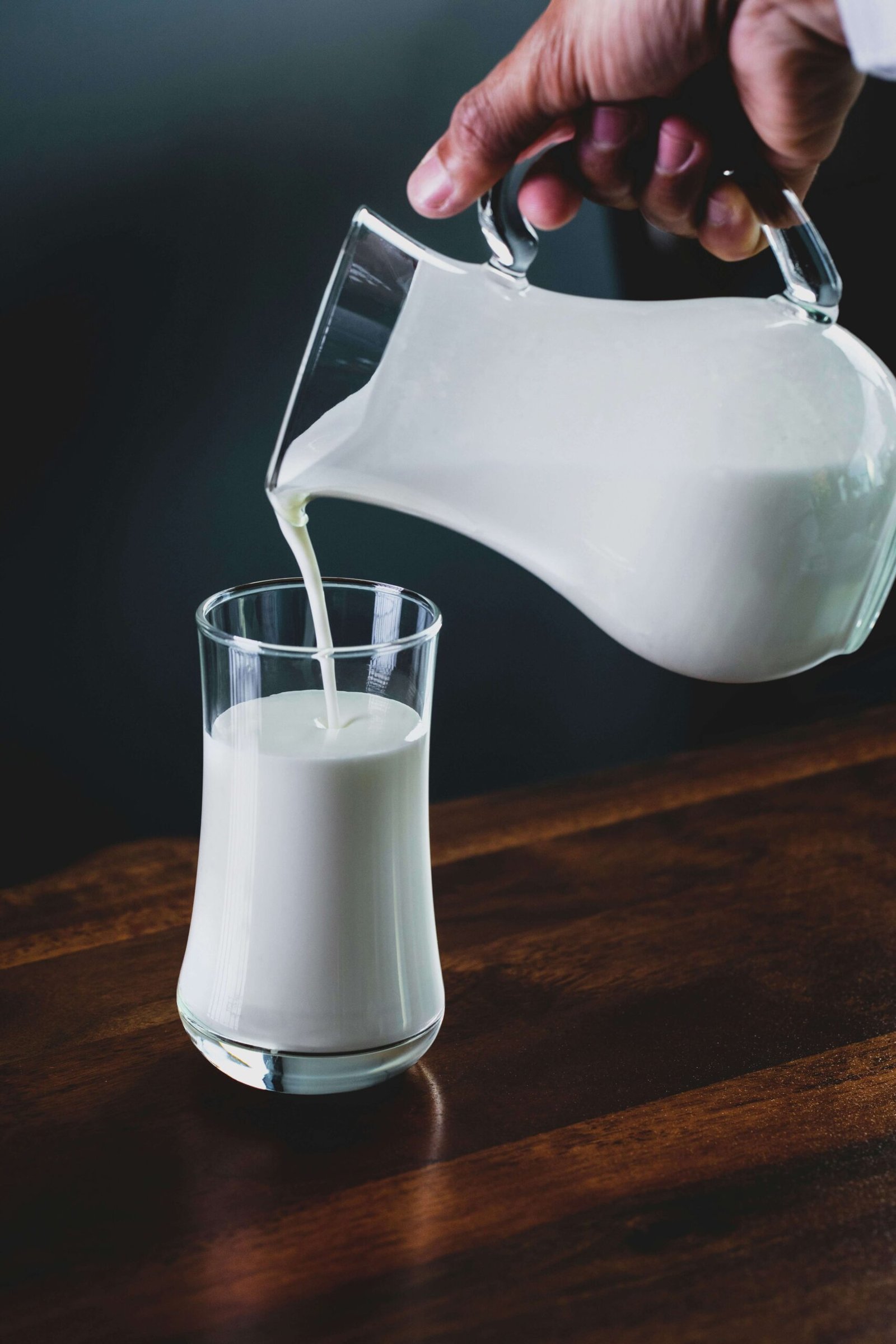
Research links cow’s milk — particularly skim milk — to increased acne. The fat content isn’t the culprit; cheese and yogurt carry a weaker association than liquid milk.
Why it matters: Milk contains bovine growth hormones and whey peptides that stimulate IGF-1 even independently of its glycemic effect.
⚙ Bovine hormones + whey proteins → IGF-1 → sebaceous overstimulation
Derived from cow’s milk, whey concentrates the same IGF-1–stimulating components. Several case reports and observational studies link regular whey use to acne flares — particularly on the back and chest.
Alternative: Plant-based proteins (pea, hemp, rice) haven’t been associated with acne.
⚙ Concentrated whey peptides → IGF-1 spike — same pathway as dairy
A 2015 study found that high-dose B12 supplementation alters the skin microbiome in acne-prone individuals, boosting the metabolic activity of C. acnes bacteria.
Note: B12 from food sources doesn’t carry the same risk — only supplemental doses.
⚙ B12 excess → microbiome shift → C. acnes overactivation
Western diets high in omega-6 fatty acids (sunflower, soybean, corn oil) promote systemic inflammation. Large observational studies show higher fast food intake correlates with more severe acne.
The flip side: Omega-3–rich foods appear to have the opposite, protective effect.
⚙ Omega-6 overload → pro-inflammatory eicosanoids → skin inflammation
Studies are conflicting. The likely culprits are the sugar and milk solids in commercial chocolate — not cacao itself. Pure cocoa shows only a modest effect in small studies.
Practical advice: Dark chocolate (70%+ cacao, low sugar) is the most defensible choice.
⚙ Likely sugar + dairy content rather than cocoa — same IGF-1 pathway
Which Foods Help Clear Skin?
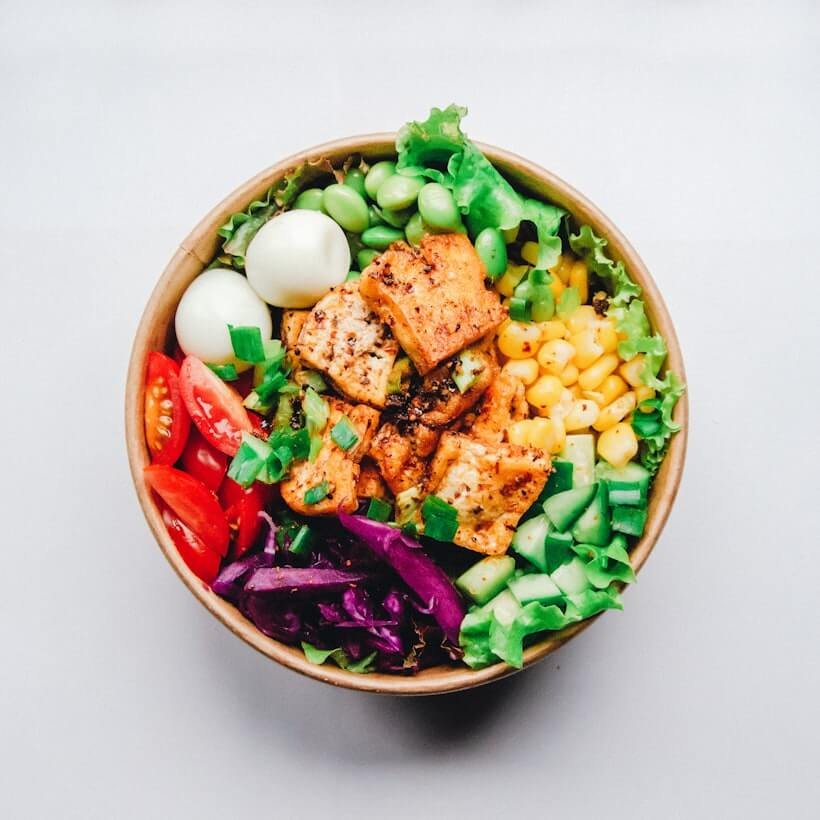
The conversation shouldn’t only be about elimination. Several foods carry anti-inflammatory or microbiome-supportive effects directly relevant to acne.
How Long Do Diet Changes Take to Work?
Longer than most people expect, and this is where most dietary experiments quietly fail. The skin cell cycle runs roughly 28 days, so nothing changed today can show on the surface for at least a month. Four to eight weeks of consistent change is the minimum before the result can be judged fairly.
Two practical points follow from that. Change one thing at a time — cutting dairy, sugar and whey together tells you nothing about which one mattered. And keep the rest of the routine steady while you test, or the result becomes unreadable.
If eight weeks of a genuinely consistent change produces nothing, that is a useful answer too. It suggests diet is not the main driver in your case, and the effort is better spent elsewhere.
The diet–acne connection is no longer just anecdotal, but it is easy to overstate in both directions. The clearest signal in the research points to refined sugar and dairy rather than the foods people usually blame — and individual response varies enough that no single list applies to everyone.
It should be remembered that diet is a supporting measure, not a replacement for treatment. What makes it worth trying is not that it works dramatically, but that it costs nothing, carries no side effects, and gives a clear answer within about two months.
Do Chocolate, Salt, and Spicy Food Cause Acne?
“Spicy food causes breakouts.”
No evidence. Facial flushing from chilli is a vascular response — not an acne trigger. One of the most persistent myths with the least scientific backing.
“Eating greasy food makes your skin oilier.”
Not directly. Sebum is hormonally regulated, not by dietary fat. Touching greasy food and then your face is a different story — but eating it has no direct effect on oil production.
“Salt causes pimples.”
No evidence. No clinical link between sodium intake and acne. High-salt foods are often processed and high-glycemic — that’s the real culprit. The salt is a bystander.
“Dark chocolate is just as bad as milk chocolate.”
Likely false. The acne link is driven by sugar and dairy — not cacao. Dark chocolate (70%+, low sugar) hasn’t been consistently associated with acne in studies.
“A clean diet alone will clear severe acne.”
Oversimplified. Diet is a contributing factor, not a standalone treatment. Cystic or nodular acne requires dermatological care — diet is supportive, not curative at this severity.
To summarise: refined sugar and high-glycemic foods have the strongest evidence behind them, dairy — especially skim milk — comes next, and whey protein follows the same pathway. Several popular culprits, including spicy food, salt, and greasy food, have no clinical evidence behind them at all. Individual response varies, so the only reliable way to know is to change one thing at a time and give it four to eight weeks.
What is written here covers only part of the subject, and it does not replace treatment. Diet is a supporting measure rather than a cure, and acne that is deep, painful, or scarring needs dermatological care regardless of what is on the plate. If your acne has persisted despite consistent changes, evaluation by a dermatologist is the sensible next step.
You’ve read the science. You still don’t know what your skin needs.
Get a dermatologist-reviewed read on your skin — built around you, not an average.
Join the WaitlistMedical Disclaimer: This article is for informational purposes only and does not constitute medical advice, diagnosis, or treatment. Dietary changes are supportive measures and do not replace professional dermatological care. Always consult a qualified healthcare provider regarding your individual condition.